

Mary Barra and David Cordani are American business leaders known for their work at General Motors and The Cigna Group. Barra is General Motors’ chair and chief executive officer. Cordani is The Cigna Group’s executive chair, having stepped down as CEO in July 2026. Their careers show how people can grow within a company, take on greater responsibility, and guide businesses through difficult changes.
Their work reaches people in different ways. A car helps someone travel to work, take children to school, or visit family. Health insurance and health services influence how people find care and manage medical costs. Looking at these leaders means exploring the decisions behind those everyday experiences, along with their achievements and the questions their companies face.
This article compares their backgrounds, career journeys, leadership approaches, and public responsibilities. Roles and career updates reflect information available in November 2026.
Table of Contents
- Who Are Mary Barra and David Cordani?
- Early Life and Education
- How They Built Their Careers
- Leadership Styles and Achievements
- Business Challenges and Public Scrutiny
- Salary, Net Worth, and Personal Lives
- Their Connection, Key Differences, and Conclusion
- Frequently Asked Questions
Who Are Mary Barra and David Cordani?
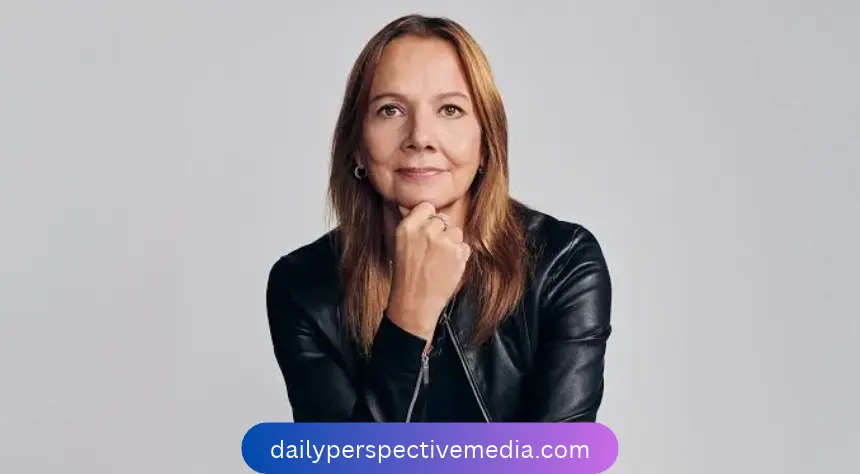
Mary Barra leads General Motors, the company behind Chevrolet, Buick, GMC, and Cadillac. She became CEO in 2014 and chair in 2016. Her work involves setting the company’s direction, working with other executives, and answering to its board and shareholders. That includes decisions about vehicles, factories, technology, and spending. Leading a car company also means thinking about what buyers need today while preparing for changes that may take years to develop. An electric vehicle program, for example, requires much more than designing a car. It also involves batteries, manufacturing capacity, software, suppliers, and a price customers can afford.
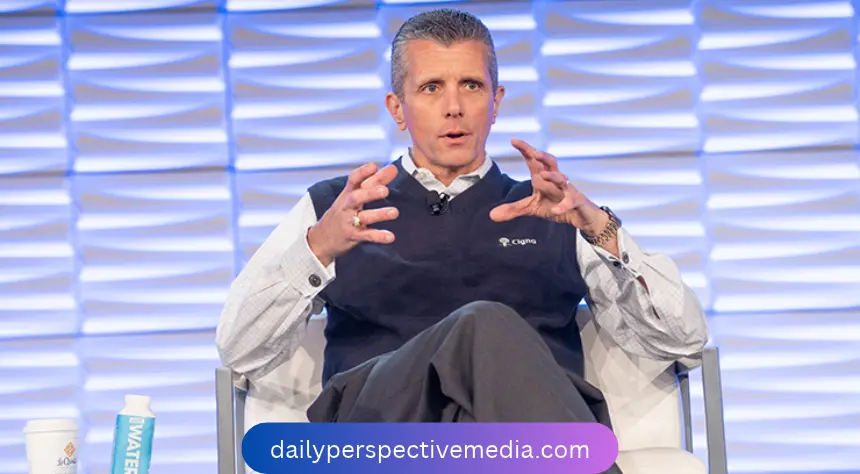
David Cordani is executive chair of The Cigna Group, a company working in health insurance and health services. Its businesses include Cigna Healthcare and Evernorth Health Services. He joined Cigna in 1991 and served as CEO from 2009 until July 2026, according to the company’s official biography. Brian Evanko succeeded him on July 1, 2026. Cordani’s current position focuses on board leadership and strategic oversight. The distinction matters: a CEO directs the business, while the board oversees management and major company decisions. An executive chair can remain actively involved, although the role differs from running daily operations as CEO.
| Quick information | Mary Barra | David Cordani |
|---|---|---|
| Company | General Motors | The Cigna Group |
| Industry | Vehicles and automotive technology | Health insurance and health services |
| Role in November 2026 | Chair and CEO | Executive chair |
| Joined the company | 1980 | 1991 |
| Major milestone | Became CEO in 2014 | Moved from CEO to executive chair in July 2026 |
| Educational background | Electrical engineering and business | Business administration |
Mary Barra and David Cordani: Early Life and Education
Mary Barra path into business began with an interest in how things work. Her education gave her both technical skills and a wider understanding of management. She earned a bachelor’s degree in electrical engineering in 1985 from the institution now known as Kettering University. She later completed an MBA at Stanford University in 1990. Engineering teaches people to study problems, examine evidence, and test possible answers. Business studies add knowledge about finance, planning, and leading teams. These subjects connect closely in vehicle manufacturing, where a design decision can affect safety, production costs, and customer satisfaction. Her student work at GM also allowed her to connect classroom learning with practical experience early in her career.
Cordani grew up in Connecticut, in a home shared across generations. A Texas A&M profile describes his upbringing alongside two brothers, with parents, grandparents, and relatives playing important roles. He credited that background with teaching him hard work, treating others well, and giving back. He earned a Bachelor of Business Administration from Texas A&M University and an MBA from the University of Hartford. His educational route differed from Barra’s engineering background, but both combined formal study with workplace experience. Their stories suggest a useful lesson for readers: education can open a door, while continued learning and the ability to take responsibility help someone move forward after entering it.
How Mary Barra and David Cordani Built Their Careers
Barra entered GM in 1980 as a cooperative education student at its Pontiac division. A cooperative program combines study with work, allowing students to learn inside a business while completing their education. Over the following decades, her responsibilities expanded across manufacturing engineering, human resources, and product development. Before becoming CEO, she led global product development, purchasing, and supply chain operations. Those roles gave her experience with the people who design vehicles, the suppliers providing parts, and the teams bringing products to market. Her rise was a long process of moving through different responsibilities. It illustrates how understanding several parts of a company can prepare a leader to make decisions that affect the whole business.
Mary Barra also built a long career within one organization. After joining Cigna in 1991, he held leadership positions covering customer groups, marketing, and healthcare operations. He became president of Cigna HealthCare and later chief operating officer before taking the top leadership role. During his CEO years, the company expanded its health services business, including its 2018 combination with Express Scripts. He became board chair in 2022, adding board leadership to his management responsibilities. His transition to executive chair in 2026 marked a new stage. Such a handover allows a new CEO to take charge while the former leader remains available to provide experience, continuity, and support through the board.
| Career milestone | Mary Barra | David Cordani |
|---|---|---|
| Joined the company | GM student employee, 1980 | Joined Cigna, 1991 |
| Earlier leadership work | Engineering, human resources, and product development | Marketing, healthcare operations, and company operations |
| CEO milestone | Became GM CEO in 2014 | Company biography dates CEO service from 2009 |
| Board chair milestone | 2016 | 2022 |
| Position by November 2026 | Chair and CEO | Executive chair following July succession |
Mary Barra and David Cordani: Leadership Styles and Achievements
Barra’s public comments place strong emphasis on teamwork and integrity. In a Stanford interview, she said, “As a leader, I instill the importance of always acting with integrity.” Her background in product development helps explain that practical focus: bringing a vehicle to market requires many teams to work together, often across countries and time zones. GM’s investment in electric vehicles offers a useful business case study. A leader must weigh future demand against current costs, decide where to build production capacity, and adjust when conditions change. Spending heavily on new technology is a strategic choice, but its success depends on execution, customer interest, and financial discipline. Announcing an investment alone does not establish its long-term value.
Cordani’s leadership record includes expanding Cigna beyond its traditional insurance roots. The Express Scripts combination, completed on December 20, 2018, is a concrete example. It brought health insurance and pharmacy services together within a larger organization. The business argument was that combining these services could help coordinate care and manage costs. Assessing that idea requires looking at results for customers and patients as well as business growth. Cordani also co-authored The Courage to Go Forward: The Power of Micro Communities, reflecting his interest in support networks. Taken together, their careers offer lessons in building teams, learning across business functions, and connecting strategy with practical work. Company achievements, however, also depend on employees, partners, and wider market conditions.
Business Challenges and Public Scrutiny
Barra faced a major safety crisis soon after becoming CEO: GM’s 2014 ignition switch recalls. The issue raised serious questions about delayed action, internal communication, and accountability. GM reached an agreement with the National Highway Traffic Safety Administration over its failure to report the defect promptly. The company also introduced measures including Speak Up for Safety, giving employees and suppliers a way to raise concerns. This case shows why company culture matters. A safety problem must reach people who have the authority to act, and those people need to respond. Alongside safety responsibilities, an automotive leader must balance labor costs, competition, factory investment, and uncertain demand. Choices about new technology can affect workers and communities long before a product reaches customers.
Cordani’s leadership took place in an industry where business decisions can have direct effects on people needing care. Health insurance costs, coverage decisions, and prescription drug prices bring close public attention. Cigna’s Express Scripts business has also faced regulatory scrutiny. In 2024, the Federal Trade Commission alleged that Express Scripts and other pharmacy benefit managers used unfair practices involving insulin prices. The FTC announced a settlement with Express Scripts in February 2026, requiring changes to business practices. The complaint concerned the businesses involved; it should not be presented as a personal finding against Cordani. This example highlights why evaluating healthcare leadership requires more than comparing company revenue. Affordability, clear information, access to services, and patient experiences also deserve attention.
Salary, Net Worth, and Personal Lives
Executive pay attracts interest, but the figures need careful explanation. GM’s 2026 proxy statement reported $29,895,868 in total compensation for Barra for 2025, including a $2.1 million salary. The Cigna Group’s corresponding disclosure reported $22,866,134 for Cordani for 2025, including a $1.6 million salary. Both totals included substantial amounts beyond salary, such as stock awards and incentive compensation. Stock awards are reported using accounting values and may depend on conditions or change in value later. These figures describe a specific reporting year; they are not confirmed 2026 earnings. Nor do they establish personal net worth, which would require a fuller picture of assets, investments, debts, taxes, and other financial commitments.
Outside their company positions, both leaders have documented interests and commitments. Barra serves on boards beyond GM, including the Walt Disney Company, and has spoken publicly about balancing a demanding career with family life. Cordani’s community work includes the David and Sherry Cordani Family Foundation and support for the Achilles International Freedom Team of Wounded Veterans. A Texas A&M profile also describes his involvement in endurance sports and support for student veterans. These activities add context to their public lives, but they do not explain every business decision. A balanced biography can recognize professional achievements and community contributions while keeping financial claims grounded in disclosures and avoiding guesses about private family matters.
Their Connection, Key Differences, and Conclusion
The clearest reason to discuss Mary Barra and David Cordani together is their experience leading major American companies. The official biographies reviewed for this article do not establish a family relationship between them. Working at a similar level in business also does not, by itself, establish a partnership or joint project. Their career similarities are more useful to examine: both spent decades developing within one company, held several senior roles, and eventually combined management leadership with board responsibilities. Their industries, however, require different expertise. Barra’s work involves vehicles, factories, suppliers, and transport technology. Cordani’s experience centers on insurance, health services, pharmacy benefits, and the rules governing healthcare businesses.
Their stories show that reaching the top of a company brings responsibility as well as recognition. Technical knowledge, business experience, and teamwork can help leaders make better decisions, but those decisions still need to be judged by their results. For GM, that includes safe, reliable vehicles and a sustainable business. For The Cigna Group, it includes the quality, accessibility, and affordability of its services alongside financial performance. Barra remains GM’s chair and CEO, while Cordani serves as Cigna’s executive chair following the July 2026 handover. Understanding that distinction gives readers an accurate starting point. Looking at their wider records then offers a fuller view of how leadership works and why it matters beyond the boardroom.
Frequently Asked Questions
Who is Mary Barra?
Mary Barra is General Motors’ chair and chief executive officer. She became CEO in 2014.
Who is David Cordani?
David Cordani is The Cigna Group’s executive chair and previously served as its chief executive officer.
Are Mary Barra and David Cordani related?
The official biographies reviewed do not establish a family relationship between them.
Who replaced David Cordani as CEO?
Brian Evanko succeeded Cordani as The Cigna Group’s chief executive officer on July 1, 2026.
What do their companies do?
General Motors makes vehicles. The Cigna Group provides health insurance and health services through its businesses.