



Andy Gibb’s death on March 10, 1988, at just 30 years old, brought a sudden end to the life of a singer whose early success had been extraordinary. Known for his warm voice, youthful charm, and close connection to the Bee Gees, Andy became a major pop star during the late 1970s. Yet his story also involved addiction, career setbacks, and hopes of starting again. Understanding his life requires looking beyond dramatic headlines. This biography explores his final days, the reported medical findings, his family relationships, and the recordings that remain central to his legacy. It also separates documented facts from assumptions about his death.
When and Where Did Andy Gibb Die?
Andy Gibb died at John Radcliffe Hospital in Oxford, England, on March 10, 1988. He had celebrated his thirtieth birthday just five days earlier. Contemporary reporting states that he entered the hospital on March 7, after experiencing stomach pains. The short interval between his birthday, hospitalization, and death makes the timeline especially painful to read. However, those dates should not be used to invent details about what he or his relatives expected. The public record establishes that he became ill, received hospital care, and died days later. The hospital’s subsequent announcement provided a clearer explanation than the speculation circulating immediately after the news broke.
Andy Gibb Death Cause: Understanding Myocarditis
The reported cause of Andy Gibb’s death was myocarditis, which means inflammation of the heart muscle. Contemporary hospital reporting described heart inflammation of a kind normally caused by a virus. For general medical context, the American Heart Association explains that myocarditis can weaken the heart’s pumping ability and interfere with its electrical system. Severe cases can lead to heart failure or death, although the condition varies considerably between patients. This explanation helps readers understand the diagnosis without guessing about Andy’s exact clinical course. His death should therefore be described using the reported condition, rather than casually replacing it with an unsupported label such as a conventional heart attack.
Why Reports About Drugs Need Careful Reading
Questions about drugs remain central to many searches for Andy Gibb death, but different claims need to be separated. The hospital’s postmortem announcement reported natural causes and stated that there was no evidence linking his death to drink or drugs. Later accounts, including his family’s remembrance, describe his earlier substance use as damaging to his health. These sources address different aspects of his story and should be attributed accurately. A history of addiction does not establish that someone died from an overdose. The most careful account gives the contemporary medical findings priority when describing the immediate cause, while acknowledging how later sources discuss his longer health struggles.
Early Life and the Gibb Family
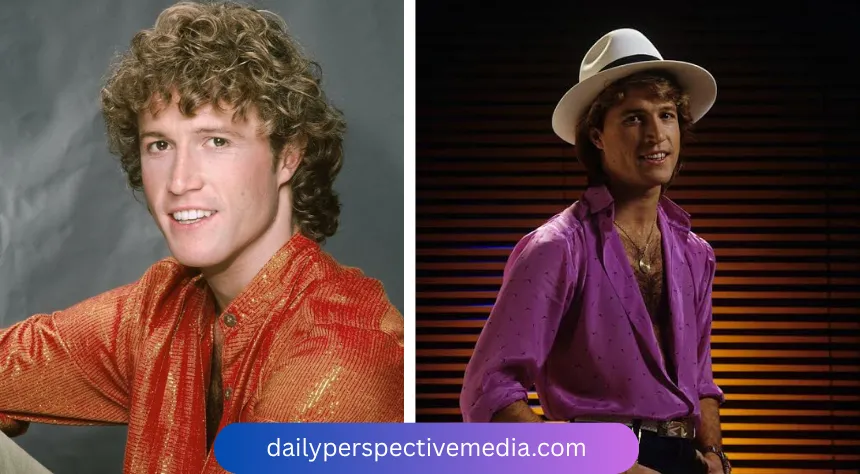
Andrew Roy Gibb was born on March 5, 1958, in Manchester, England. His parents were Hugh and Barbara Gibb, and his older siblings included Barry, Robin, Maurice, and Lesley. His childhood involved life in several places, including Australia, where important parts of his musical development unfolded. The family’s remembrance describes a young musician who played by ear and began performing while still a teenager. Barry gave him a guitar, providing a practical connection between brotherly encouragement and his developing talent. These beginnings matter because Andy’s career did not start with an American hit record. Before international recognition, he was already learning how to perform and express himself through music.
Moving to America and Finding Solo Success
Andy moved to the United States in 1976, and his debut album, Flowing Rivers, followed in 1977. Working with Barry helped place him within a successful musical environment, but the records appeared under Andy’s own name. The album included “I Just Want to Be Your Everything” and “(Love Is) Thicker Than Water,” both American number-one hits. This was a remarkable introduction for a young performer entering a competitive market. It also established the central tension in discussions of his career: his family connection was important, yet listeners were responding to his voice and recordings. A balanced biography recognizes both the support he received and the success he achieved as a solo artist.
Shadow Dancing and His Historic Chart Achievement
The release of “Shadow Dancing” in 1978 confirmed that Andy’s first successes were no brief accident. The song spent seven weeks at number one on the Billboard Hot 100. With that achievement, he became the first solo artist whose first three Hot 100 chart entries all reached the top. That wording matters: he had released music in Australia before his American breakthrough. “Shadow Dancing” also carried songwriting credits for Andy, Barry, Robin, and Maurice Gibb, making it a notable family collaboration. For readers discovering him through the circumstances of his death, this period offers essential perspective. He had already earned a distinctive place in American pop-chart history before turning twenty-one.
Grammy Recognition Beyond Teen Stardom
Andy’s popularity also brought recognition from the recording industry. The Recording Academy lists two Grammy nominations at the 20th Annual Grammy Awards: Best New Artist of the Year and Best Pop Vocal Performance, Male, the latter for “I Just Want to Be Your Everything.” He did not win either award, a distinction worth preserving when describing his achievements. These nominations provide a useful counterbalance to accounts that focus entirely on his appearance or personal difficulties. His breakthrough attracted professional recognition as well as public attention. Awards cannot fully measure an artist’s value, but this record confirms that Andy’s early work was noticed within the wider music industry during his brief commercial peak.
Television and Musical Theatre Work
Andy’s career extended beyond records into television and musical theatre. He co-hosted Solid Gold, bringing his performing experience to a program built around popular music. His stage work included The Pirates of Penzance and Joseph and the Amazing Technicolor Dreamcoat. The Internet Broadway Database records his Broadway engagement as Joseph from December 1, 1982, to January 12, 1983, alongside touring credits. These projects reveal an entertainer exploring several ways to connect with audiences. Singing a recorded single, presenting television, and carrying a theatrical role involve different demands. Although these opportunities did not reproduce his earlier chart dominance, they remain meaningful parts of his professional biography and deserve more than a passing mention.
Marriage, Fatherhood, and Personal Relationships
Andy married Kim Reeder in 1976, and their marriage ended in 1978. They had one daughter, Peta Gibb. He later had a widely reported relationship with actress Victoria Principal, adding another layer of public attention to his private life. These relationships often appear in accounts of his difficulties, but they should not become shortcuts for explaining everything that happened to him. A separation cannot establish a medical cause of death, and public reporting cannot reveal every detail of a family relationship. Including marriage and fatherhood gives readers a fuller picture of Andy as a person, while leaving room for the privacy and complexity that a celebrity biography cannot completely capture
Addiction, Treatment, and Financial Problems
Andy’s struggles with cocaine addiction were documented during his lifetime, and he sought treatment at the Betty Ford Center in 1985. His professional difficulties also included missed work and a decline from his earlier commercial success. By 1987, he had filed for bankruptcy, showing how far his financial circumstances had changed. These facts belong in an honest biography, but they should be presented without treating addiction as a personal spectacle. They describe serious problems affecting health, work, and stability. They also show that he attempted to obtain help. Reducing these years to a simple story of wasted fame would overlook the difficulty of recovery and the uncertainty surrounding any hoped-for return.
The Comeback Plans Before Andy Gibb’s Death
One of the most poignant details surrounding Andy Gibb’s death is that he was pursuing a recording comeback. Contemporary reporting says he had signed with Island Records approximately two months before he died and had moved to Britain to work on new material. This supports the description of an attempted fresh start, although it cannot tell us how successful a completed release would have been. Accounts of unfinished careers often drift into imagined futures, but Andy’s plans are meaningful without that speculation. He was seeking another professional opportunity after difficult years. His death interrupted that effort, leaving an intended new chapter incomplete and preventing listeners from hearing how it might have developed.
A Musical Legacy on Both Sides of the Atlantic
Andy’s American number-one records dominate many summaries, but his British chart history adds another useful perspective. Official Charts records “An Everlasting Love” reaching number ten in the United Kingdom, while the Shadow Dancing album reached number fifteen. His results differed between markets, reminding readers that worldwide fame does not mean identical success everywhere. This broader view helps explain his career more accurately than a string of American statistics alone. His catalog offers romantic ballads, dance-oriented pop, and performances that reflect the musical setting of his time. Revisiting those recordings allows the biography to move beyond the tragedy and toward the work that first gave audiences a reason to remember him.

Conclusion
The story of Andy Gibb’s death deserves accuracy, compassion, and attention to his whole life. His final illness should be explained through the reported medical findings, with later interpretations clearly identified rather than blended into certainty. Equally, his addiction should neither be hidden nor allowed to replace the rest of his biography. Andy was a recording artist, stage performer, brother, husband, and father whose life ended while another career effort was taking shape. Remembering him responsibly means holding those experiences together. His early achievements remain impressive, and his recordings provide the most direct way to encounter the performer behind the headlines, beyond the questions raised by his final days.
Frequently Asked Questions
How Old Was Andy Gibb When He Died?
Andy Gibb was 30 years old when he died. His birth date was March 5, 1958, and his death occurred on March 10, 1988, placing the two events exactly five days apart within that final birthday week. These dates are recorded by the Internet Broadway Database as well as biographical sources. The timing explains why accounts so often emphasize that he had only just turned thirty. It also helps readers keep the chronology clear when comparing his late-1970s breakthrough with his later theatre work and attempted return to recording. His professional life had included several distinct stages despite ending at such a young age.
Was Andy Gibb a Member of the Bee Gees?
No, Andy Gibb was a solo artist rather than a member of the Bee Gees. His older brothers Barry, Robin, and Maurice formed the famous group. The confusion is understandable because their musical careers were closely connected, and his recordings shared aspects of the family’s sound. Nevertheless, his singles and albums belonged to his separate recording career. AllMusic discusses his success as a solo performer while acknowledging his brothers’ stylistic influence. Keeping that distinction clear also gives Andy appropriate credit for his own chart achievements. A biography can explain the importance of the Gibb family without incorrectly adding him to the Bee Gees’ established lineup.
Did Andy Gibb Have Any Children?
Yes, Andy Gibb had a daughter, Peta, with his former wife, Kim Reeder. His family’s official website confirms his fatherhood and notes that it was not widely publicized during his career. This detail adds an important personal dimension to a life often described mainly through hit singles and celebrity relationships. Peta is also involved in preserving his memory through the family-authorized website. For readers researching his relatives, that resource offers a more direct foundation than unsourced celebrity profiles. His role as a father should be acknowledged respectfully, without inventing private conversations, emotional reactions, or details about relationships that the available public record does not establish.
Did Andy Gibb Die From a Drug Overdose?
The contemporary hospital announcement did not identify a drug overdose as the cause of Andy Gibb’s death. It reported natural causes involving inflammation of the heart, of a type normally triggered by a virus. UPI’s coverage also documented how the announcement followed newspaper speculation about an overdose. This distinction remains important because repeated claims can appear credible simply through familiarity. Andy’s documented addiction history is relevant to his biography, but it does not override the reported postmortem findings. Later discussions about possible lasting harm from substance use should be identified as later accounts, rather than presented as proof that an overdose occurred in his final days.
Where Is Andy Gibb Buried?
Andy Gibb’s final resting place is Forest Lawn Memorial Park in Hollywood Hills, California. His official family website identifies his crypt within the Courts of Remembrance. Although he died in England, his remains were returned to the United States. The distinction between his place of death and resting place sometimes causes confusion, particularly because his life involved several countries. For anyone researching memorial information, the family website provides a direct source for the location. Details about visiting arrangements are separate from the historical fact of his interment and should be checked with the cemetery when planning a visit, rather than assumed from older biographical accounts.
What Were Andy Gibb’s Most Famous Songs?
Andy’s best-known recordings include “I Just Want to Be Your Everything,” “(Love Is) Thicker Than Water,” and “Shadow Dancing,” all number-one American hits. His wider catalog also includes “An Everlasting Love,” “(Our Love) Don’t Throw It All Away,” and “Desire.” Those additional songs reached the American top ten, showing that his success extended beyond his first three chart entries. For a new listener, this group of recordings provides a useful introduction to his career. Hearing several songs together also offers a fuller impression of his voice than relying on a single signature hit. His music remains essential to understanding why his short life continues to attract biographical interest.