
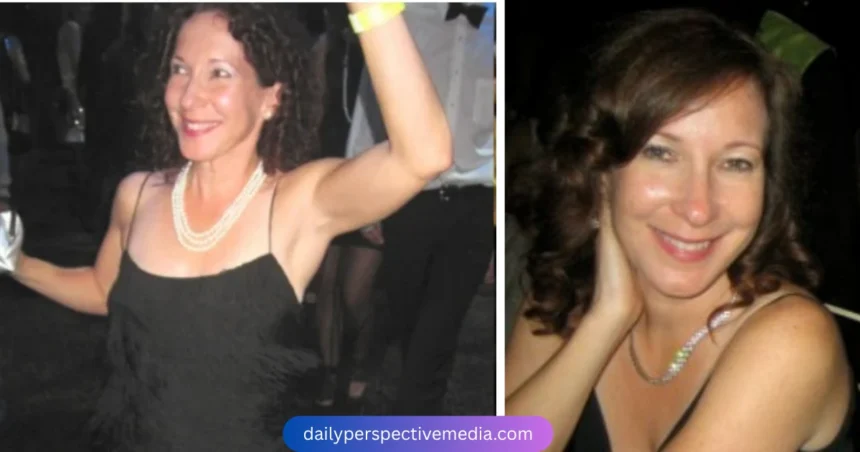
April Nocifora was an American television producer and post-production supervisor best known for her three-decade association with the Star Trek franchise. Though rarely in the spotlight herself, April Nocifora shaped some of the most beloved science-fiction television of the past thirty years, from Star Trek: The Next Generation to Star Trek: Strange New Worlds. Her career also touched acclaimed series such as Rome, Fringe, and Sleepy Hollow. This article traces the life, professional journey, and lasting legacy of April Nocifora, exploring how a behind-the-scenes producer became one of the most respected names in television post-production.
Who Was April Nocifora?
April Nocifora was a producer and production manager who spent more than 30 years working across some of American television’s most ambitious projects. She was born on April 7, 1968, and passed away in December 2021 at the age of 53. While audiences rarely see the names of producers and post-production supervisors, April Nocifora’s fingerprints are on dozens of hours of celebrated programming. She worked steadily from the early 1990s until shortly before her death, moving fluidly between science fiction, historical drama, and comedy. Colleagues consistently described her as dependable, detail-oriented, and deeply committed to the craft of finishing a show well, a reputation that followed her throughout her career.
Early Career and Entry Into Hollywood
April Nocifora began her professional career in the early 1990s, entering the television industry through one of its most iconic franchises. She started as a production associate on Star Trek: The Next Generation, a role that placed her directly inside the day-to-day machinery of episodic network television. This entry point gave her early exposure to scripting, scheduling, and the coordination required to keep a demanding weekly production on track. It was an unglamorous but foundational stage of her career, and it set the tone for the meticulous, organized approach she would carry into every subsequent project. Few producers in television history can claim as long or as consistent a relationship with a single franchise as April Nocifora eventually built with Star Trek.
Working Alongside Ronald D. Moore
Between October 1994 and October 1995, April Nocifora worked as an assistant to writer-producer Ronald D. Moore, one of the most influential figures in modern Star Trek storytelling. This period allowed her to observe scriptwriting and production decisions from close proximity, deepening her understanding of how creative vision translates into finished episodes. Working under a producer of Moore’s stature was a formative experience, giving April Nocifora direct insight into the collaborative relationship between writers, directors, and the production team. This kind of hands-on mentorship was common in television at the time, and it helped shape the collaborative, detail-focused style she would later be known for as she moved into larger production roles.
April Nocifora’s Role in Star Trek: First Contact
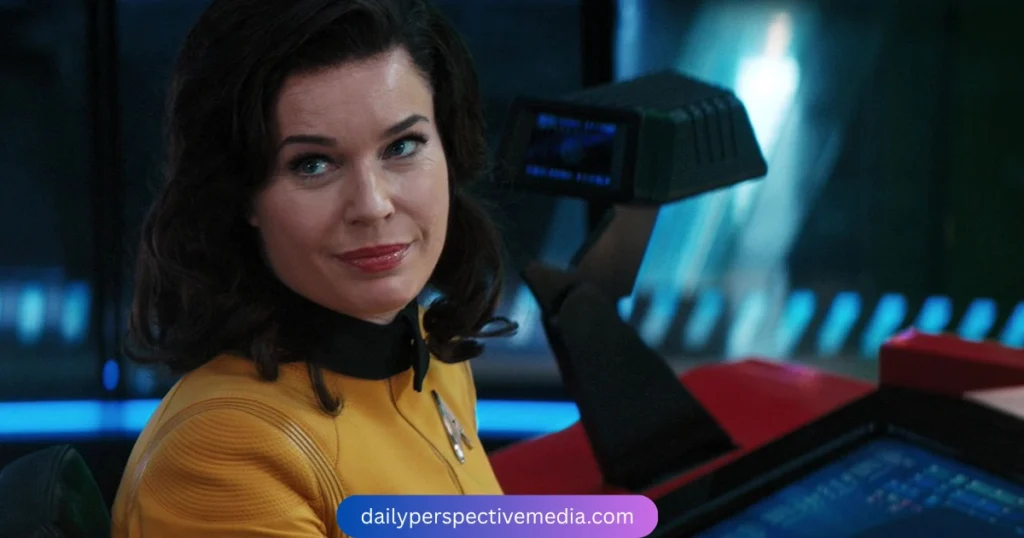
April Nocifora’s work extended into feature films when she served as an assistant to producer Peter Lauritson on Star Trek: First Contact (1996), one of the franchise’s most successful theatrical releases. Contributing to a major studio film required a different scale of coordination than television, exposing her to bigger budgets, larger crews, and more complex post-production pipelines. This experience broadened her skill set considerably and positioned her for more senior responsibilities. Her IMDb credits list her formally as part of the “additional crew” on the film, a modest title that belies the significant hands-on experience she gained working alongside one of the franchise’s most experienced producers during this pivotal era.
Post-Production Supervisor on Deep Space Nine and Voyager
As her career progressed, April Nocifora transitioned into post-production, becoming a post-production coordinator and later post-production supervisor on both Star Trek: Deep Space Nine and Star Trek: Voyager. This shift moved her from set-based production into the editing bay, where episodes are assembled, visual effects integrated, and final cuts approved before broadcast. Post-production supervision demands technical fluency and an eye for pacing, continuity, and storytelling rhythm. During this era she also trained with AVID Technology, Inc., the industry-standard editing software company, sharpening the technical expertise that would define the rest of her career. This period cemented her reputation as a producer who understood both the creative and mechanical sides of television.
Education and Technical Training
April Nocifora held a Bachelor of Arts degree in TV/Film from California State University, Fullerton, a program known for producing working professionals in the entertainment industry. She supplemented this academic foundation with specialized training at AVID Technology, Inc., the company behind the editing systems used throughout Hollywood. This combination of formal education and industry-specific technical training gave her a well-rounded skill set that few producers possess in equal measure. It allowed her to communicate fluently with editors, directors, and studio executives alike. This educational background is frequently cited as one of the reasons April Nocifora was able to move so effectively between hands-on production roles and higher-level supervisory positions throughout her career.
Expanding Beyond Star Trek
Although Star Trek remained central to her career, April Nocifora built an impressively diverse resume across network and cable television. In 2002, she served as associate producer on The Dead Zone, created by Michael Piller and Shawn Piller, and as post-production supervisor on Taken, the acclaimed Steven Spielberg-produced miniseries. She later contributed to Carnivàle (2003–2005), HBO’s atmospheric period drama. This willingness to work across genres — from psychic thrillers to Depression-era carnival dramas — demonstrated April Nocifora’s versatility. It also expanded her professional network considerably, connecting her with editors, directors, and executives who would collaborate with her repeatedly over the following two decades of her career.
April Nocifora and HBO’s Rome
Between 2005 and 2007, April Nocifora worked as associate producer for HBO on the acclaimed historical drama Rome, one of the most ambitious and expensive television productions of its era. Set in the final years of the Roman Republic, the series demanded extraordinary attention to detail across sets, costumes, and post-production polish. Her role on such a large-scale prestige drama reflected the trust major studios placed in her organizational abilities. This HBO relationship proved enduring: April Nocifora would go on to work for Old Breed Productions, an HBO-affiliated company, from 2008 onward, contributing to several additional HBO miniseries throughout the following years.
Flight of the Conchords and The Pacific
April Nocifora’s HBO work continued with the comedy series The Flight of the Conchords (2007–2009), a stylistic departure from the historical drama of Rome that further showcased her range. She later contributed to The Pacific (2010), the acclaimed World War II miniseries starring William Sadler, produced by the same team behind Band of Brothers. Moving between musical comedy and war drama within a few short years highlights just how adaptable April Nocifora was as a production professional. Her ability to maintain consistent quality across such different genres reinforced her standing within the HBO production community and kept her in high demand among showrunners seeking dependable, detail-driven producers for demanding projects.
The Co-Producer Years
Through the early 2010s, April Nocifora took on co-producer credits across several notable network series. She worked on Fringe (2010), the J.J. Abrams-produced science fiction drama starring Joshua Jackson, and later on The Event (2010–2011) and Terra Nova. Her most prominent role during this stretch came on Sleepy Hollow (2012–2014), Fox’s supernatural drama, followed by work on Scorpion (2014). These co-producer credits represented a step up in creative responsibility, giving April Nocifora greater influence over storytelling decisions rather than purely technical oversight. This period rounded out a career that, by the mid-2010s, spanned nearly every major genre of American television production.
April Nocifora’s Return to Star Trek in 2017
In 2017, April Nocifora returned to the franchise that launched her career, joining Star Trek: Discovery as it kicked off the modern era of Star Trek streaming television. This homecoming placed her back at the center of a production she had helped shape decades earlier, now working under showrunner Alex Kurtzman on one of the most closely watched sci-fi revivals in television history. Her return was widely seen within the production community as a full-circle moment, reuniting her with colleagues and traditions she had helped establish in the 1990s. It also marked the beginning of the most visible and celebrated chapter of her long professional life.
Supervising Producer on Star Trek: Discovery
As supervising producer on Star Trek: Discovery, April Nocifora ran the show’s post-production department, overseeing the editorial process that turned raw footage into finished, broadcast-ready episodes. According to Discovery editor Chad Rubel, who worked directly under her, she was instrumental in helping the show’s third season complete production and air on schedule during the early months of the COVID-19 pandemic — a logistical challenge few productions navigated successfully. Rubel also credited her with directly helping launch his own editing career on the franchise. This role placed April Nocifora at the operational heart of one of streaming television’s flagship science fiction series.
Star Trek: Short Treks and Picard
April Nocifora’s supervising producer credits extended to Star Trek: Short Treks, the anthology series of standalone stories connecting Discovery’s seasons, as well as the first season of Star Trek: Picard, starring Patrick Stewart in his return to the role of Jean-Luc Picard. Overseeing post-production across multiple concurrent Star Trek series required exceptional organizational capacity, and April Nocifora managed these overlapping responsibilities during one of the busiest expansion periods in the franchise’s history. Her involvement across Short Treks and Picard demonstrates how central she had become to the broader Star Trek production ecosystem by the late 2010s, well beyond any single series.
Strange New Worlds and Her Final Contribution
April Nocifora’s final Star Trek credit came as supervising producer on the first season of Star Trek: Strange New Worlds, the prequel series following Captain Christopher Pike. She did not live to see the season premiere; she passed away in December 2021, several months before the show debuted. In her honor, the premiere episode carried a dedication to her memory, alongside a similar tribute in the Star Trek: Discovery season four finale. These dedications ensured that April Nocifora’s name remained visibly connected to the franchise’s newest chapter, even after her passing, reflecting how deeply embedded she had become in the creative fabric of modern Star Trek production.
Marriage to Dave Rossi and the Name April Rossi
For much of her career, April Nocifora was credited professionally as April Rossi, reflecting her marriage to producer Dave Rossi, himself an established figure in television production. Many of her Star Trek: Deep Space Nine, Voyager, and subsequent credits appear under the Rossi name. Later in her career, she reverted to using her birth name, Nocifora, professionally. This naming history occasionally creates confusion for researchers and fans searching production databases, since her body of work is split across two surnames. Recognizing both names is essential for anyone compiling a complete picture of her contributions across more than three decades of television and film production.
Photography and Life Outside Production
Outside her television work, April Nocifora pursued photography as a creative outlet, drawing on her decades of experience in post-production and visual storytelling. She described her long career working closely with directors of photography and colorists as directly shaping her approach behind the camera, and she took photography classes to continue developing as an artist. This pursuit reflected a broader pattern in her life: even away from formal production work, April Nocifora remained drawn to visual storytelling and craftsmanship. It offered a more personal, creative counterpart to the highly technical, deadline-driven world of television post-production that defined her professional identity.
April Nocifora’s Death and Cancer Battle
April Nocifora died in December 2021 in Burbank, California, following a battle with cancer. News of her passing spread through the Star Trek production community via social media, with colleagues sharing tributes to her professionalism and personal warmth. She was 53 years old at the time of her death, having remained active in her role on Star Trek: Discovery until shortly before she passed. Her death came as the franchise was simultaneously producing multiple series, meaning her absence was felt across several productions at once. The scale of tribute that followed reflected just how many people across the Star Trek universe she had touched over her long career.
“For April, With Love” — A Lasting Tribute
Following her passing, the Star Trek franchise honored April Nocifora with on-screen dedications reading “For April, with love.” This tribute appeared in the Star Trek: Discovery season four finale, “Coming Home,” and again in the premiere episode of Star Trek: Strange New Worlds. Colleagues such as author and Star Trek historian Terry J. Erdmann publicly expressed how much her support had meant to their own work within the franchise. These dedications represent a rare and meaningful gesture within television production — public acknowledgment of a behind-the-scenes contributor whose influence, while invisible to most viewers, was deeply felt by everyone who worked alongside her across the franchise’s various series.
April Nocifora’s Legacy in the Television Industry
April Nocifora’s legacy lies in the quiet but essential work of post-production supervision — the discipline that transforms raw footage into the polished episodes audiences enjoy. Across Star Trek, Rome, Fringe, Sleepy Hollow, and many other acclaimed series, she helped ensure that ambitious creative visions reached the screen intact and on schedule. Colleagues repeatedly credited her with mentoring younger editors and production staff, extending her influence well beyond her own individual credits. In an industry where producers rarely receive public recognition, the on-screen tributes dedicated to April Nocifora stand as unusually visible proof of the respect she earned throughout more than 30 years in television and film.
Why April Nocifora Still Matters Today
For fans of Star Trek and students of television production alike, April Nocifora’s career offers a valuable case study in sustained professional excellence. Her trajectory — from production associate in the early 1990s to supervising producer on flagship streaming series nearly three decades later — illustrates how technical mastery, adaptability, and relationship-building sustain a long career in entertainment. She worked across nearly every major format: network dramas, HBO prestige miniseries, comedies, and multiple generations of Star Trek. As new generations of viewers discover Discovery, Picard, and Strange New Worlds, April Nocifora’s behind-the-scenes contributions remain part of the foundation that made those shows possible.
Conclusion
April Nocifora may not have been a household name, but her influence on modern television — and on Star Trek in particular — was substantial and enduring. From her earliest days as a production associate on The Next Generation to her final work as supervising producer on Strange New Worlds, she dedicated more than 30 years to the craft of bringing ambitious television to the screen. Her diverse résumé, spanning HBO prestige dramas, network science fiction, and beloved comedies, reflects a career built on versatility and trust. The on-screen tributes dedicated to her memory confirm what her colleagues already knew: April Nocifora was a producer whose quiet, steady excellence shaped some of television’s most celebrated storytelling.
Frequently Asked Questions About April Nocifora
1. Who was April Nocifora? April Nocifora was an American television producer and post-production supervisor best known for her long career with the Star Trek franchise, including roles on Discovery, Short Treks, Picard, and Strange New Worlds.
2. When was April Nocifora born and when did she die? April Nocifora was born on April 7, 1968, and passed away in December 2021 at the age of 53, following a battle with cancer.
3. What shows was April Nocifora known for? Beyond Star Trek, April Nocifora worked on Rome, Flight of the Conchords, The Pacific, Fringe, Sleepy Hollow, Scorpion, and The Dead Zone, among other notable series.
4. Why is April Nocifora credited as April Rossi in some shows? April Nocifora was married to producer Dave Rossi, and many of her earlier Star Trek credits list her under the name April Rossi before she later reverted to her birth name professionally.
5. What was April Nocifora’s role on Star Trek: Discovery? She served as supervising producer, running the show’s post-production department and helping guide the series through production challenges, including during the COVID-19 pandemic.
6. How did Star Trek honor April Nocifora after her death? The franchise dedicated the Star Trek: Discovery season four finale and the Star Trek: Strange New Worlds premiere to her memory with the tribute “For April, with love.”
7. What was April Nocifora’s educational background? She earned a Bachelor of Arts in TV/Film from California State University, Fullerton, and received additional technical training through AVID Technology, Inc.