


Introduction
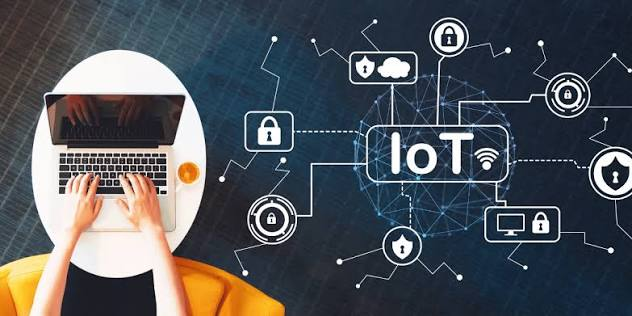
The Internet of Things, commonly known as IoT, is changing how people interact with technology. It connects physical devices to networks so they can collect information, exchange data, and perform useful tasks.
Examples include smart thermostats, connected security cameras, fitness trackers, industrial sensors, and intelligent lighting systems. These devices can help people monitor their surroundings, automate routine activities, and make decisions based on collected information.
IoT is not limited to homes. Factories use connected sensors to monitor machines, farms use them to measure soil conditions, and logistics companies use tracking devices to monitor shipments.
As connected technology becomes more common, organizations must consider reliability, privacy, security, and maintenance. A poorly protected device can become an entry point for attackers or expose information about its users.
Understanding IoT helps individuals and businesses choose appropriate devices and use them responsibly. Technology-focused resources such as sosoactivehub.org can provide additional reading about digital developments and connected systems.
This article explains how IoT works, explores its major applications, and examines the benefits and challenges of connected technology.
What Is the Internet of Things?
The Internet of Things is a network of physical objects equipped with technology that enables them to collect, transmit, or act on information.
An IoT device may contain sensors, software, a processor, and a network connection. Some devices communicate directly with the internet, while others connect through a gateway or local hub.
A smart temperature sensor, for example, can measure the temperature in a room and send readings to an application. The application may display current conditions or allow a user to adjust a connected heating system.
Industrial IoT devices can monitor equipment and report unusual vibration, temperature, or pressure readings.
Not every connected device needs artificial intelligence. Many IoT systems perform straightforward tasks based on predefined rules. More advanced systems may combine sensor data with analytics or machine learning.
The main purpose is to connect physical activity with digital information, making monitoring and automation easier.
How IoT Technology Works
Most IoT systems contain several components that work together.
Sensors and Devices
Sensors collect information about the physical environment.
Depending on the application, they may measure temperature, movement, humidity, light, pressure, location, or electrical activity.
The device processes this information locally or sends it to another system.
For example, a water sensor can detect a leak and trigger an alert before the problem causes extensive damage.
Connectivity
IoT devices need a way to communicate with other devices or services.
Common technologies include Wi-Fi, Bluetooth, cellular networks, Zigbee, and other specialized communication standards.
The appropriate option depends on distance, power consumption, data volume, reliability, and cost.
A battery-powered sensor may need a low-energy connection. An industrial device transmitting large amounts of data may require a different network design.
Gateways
Some IoT devices cannot connect directly to the internet. Instead, they communicate with a gateway that collects information and forwards it to another system.
Gateways can also translate between communication protocols, filter data, or support local processing.
They are particularly useful when a system includes many devices using different technologies.
Cloud Platforms
Cloud platforms can receive, store, and process data from connected devices.
They may provide dashboards, alerts, historical reports, and tools for managing devices remotely.
For example, a business could monitor equipment across multiple locations through one application.
Cloud services are useful, but IoT systems should consider what happens if the internet connection or cloud service becomes unavailable.
Applications and Automation
Applications allow users to view device information, change settings, and receive alerts.
Automation rules can trigger actions when specific conditions occur.
A smart lighting system might turn on when movement is detected. An agricultural system might send an alert when soil moisture falls below a chosen threshold.
Automation should include appropriate safeguards, especially when controlling equipment that could affect safety or property.
Major Types of IoT Devices
Smart Home Devices
Smart home technology includes connected lights, thermostats, doorbells, cameras, locks, and appliances.
These devices can make it easier to manage household systems and monitor activity remotely.
For example, a smart thermostat may adjust temperatures according to a schedule. A connected water sensor may alert a homeowner to a possible leak.
Users should check device security, software support, and privacy settings before installation.
Wearable Technology
Wearable devices include fitness trackers, smartwatches, and certain health-monitoring products.
They can collect information such as movement, heart rate, sleep patterns, or activity levels, depending on the device.
This information may help users understand personal activity trends.
However, measurements can be inaccurate, and health-related readings should be interpreted according to the device’s intended purpose. Users should also understand how personal data is stored and shared.
Industrial IoT
Industrial IoT connects sensors and equipment used in factories, utilities, warehouses, and other industrial environments.
Sensors may monitor vibration, temperature, production speed, or energy consumption.
This information can help teams identify equipment problems and improve maintenance schedules.
Industrial systems require careful security and reliability planning because failures may affect production or physical safety.
Agricultural IoT
Connected technology can help farmers monitor soil moisture, weather conditions, irrigation systems, and storage environments.
A sensor-based irrigation system may help reduce unnecessary watering by measuring soil conditions.
Agricultural IoT can support more informed decisions, but equipment must be suitable for local weather, power availability, and connectivity conditions.
Smart City Technology
Cities may use connected sensors to monitor traffic, street lighting, waste collection, air quality, and water infrastructure.
For example, a connected parking system can help identify available spaces. Smart streetlights may adjust their operation according to environmental conditions or activity.
Successful implementation requires reliable infrastructure, appropriate data governance, and clear public benefits.
Benefits of the Internet of Things
Improved Efficiency
IoT can reduce manual monitoring by collecting information automatically.
A factory may use sensors to track equipment conditions instead of relying entirely on periodic inspections.
This can help employees identify problems sooner and focus their attention where it is most needed.
Real-Time Monitoring
Connected devices can report changes as they occur.
A business may receive an alert when a refrigerator becomes too warm or when a machine operates outside its normal range.
Timely information can support faster responses, although alerts need to be reliable and actionable.
Better Resource Management
IoT can help organizations understand how they use electricity, water, fuel, and other resources.
Smart meters and environmental sensors may identify unnecessary consumption.
The value depends on accurate measurements and whether users act on the information.
Predictive Maintenance
Traditional maintenance often follows a fixed schedule or begins after a failure.
IoT sensors can provide information about equipment condition, allowing organizations to investigate unusual patterns before a breakdown occurs.
Predictive maintenance works best when measurements are reliable and models are suitable for the equipment being monitored.
It cannot guarantee that every failure will be predicted.
Greater Convenience
Smart devices can automate routine activities and allow users to manage equipment remotely.
This may improve convenience for households and businesses.
However, users should retain manual controls where appropriate and consider how devices behave during network failures.
IoT Security and Privacy Challenges
Connected devices introduce security risks because they combine physical equipment, software, networks, and data.
Weak Passwords
Some devices are installed with default credentials that users never change.
Attackers may exploit these credentials to access devices or use them in larger attacks.
Users should change default passwords and use strong, unique credentials where supported.
Outdated Software
IoT devices may remain in service for years, sometimes longer than their software support period.
Devices that no longer receive security updates can become increasingly difficult to protect.
Before buying a product, check whether the manufacturer provides updates and explains its support period.
Replace unsupported equipment when its risks cannot be managed adequately.
Insecure Network Connections
Poor network configuration can allow connected devices to communicate with systems they do not need to access.
Home users can consider placing IoT devices on a separate guest or device network when their router supports it.
Businesses should segment networks and restrict unnecessary communication between devices and critical systems.
Privacy Concerns
IoT devices may collect information about location, movement, household activity, or personal behavior.
Users should review privacy settings and understand which information is collected, how long it is retained, and whether it is shared with third parties.
Disable unnecessary collection and remote access features.
Organizations should collect only the information required for their intended purpose.
Physical Security
Some IoT devices operate in public or accessible locations.
An attacker may attempt to physically tamper with a sensor, gateway, or control unit.
Depending on the application, protective enclosures, restricted access, tamper detection, and inspection procedures may be appropriate.
Best Practices for Securing IoT Devices
Both households and organizations can take practical steps to reduce IoT security risks.
- Buy devices from manufacturers that provide security updates.
- Change default credentials and use strong authentication.
- Install firmware updates when they become available.
- Disable unnecessary services and remote access features.
- Separate IoT devices from sensitive systems where practical.
- Review privacy settings and limit unnecessary data collection.
- Replace devices that no longer receive essential security updates.
- Monitor unusual behavior and investigate unexpected alerts.
- Keep an inventory of connected devices in business environments.
- Maintain manual controls or alternative procedures for critical equipment.
These measures do not eliminate every threat, but they can improve the security and reliability of connected systems.
IoT in Business and Manufacturing
Businesses can use IoT to collect operational information and improve the management of equipment, facilities, and supply chains.
A manufacturer might install sensors on production machinery to track vibration and temperature. A logistics company may use tracking devices to monitor shipments. A building manager may use sensors to understand energy consumption.
The resulting information can support maintenance planning, resource management, and operational reporting.
However, businesses should define clear goals before deploying connected devices.
They need to consider installation costs, network coverage, integration with existing systems, device maintenance, and data ownership.
A small pilot project can help determine whether the technology provides measurable value before a larger rollout.
The Role of AI and IoT
AI and IoT can complement each other.
IoT devices collect information from physical environments, while AI systems can analyze that information to identify patterns or generate predictions.
For example, a factory may use sensor data to identify signs of unusual machine behavior. A smart building may analyze occupancy and temperature information to adjust certain environmental settings.
Some processing can occur directly on a device or gateway. This approach, often called edge AI, can reduce delays and limit the amount of data sent to the cloud.
AI-based decisions still need testing and monitoring. Incorrect predictions can create unnecessary alerts or cause inappropriate automated actions.
Systems that control important equipment should include safeguards and appropriate human oversight.
IoT and Energy Efficiency
Energy management is an important application of connected technology.
Smart meters can provide detailed consumption information, while building sensors can help identify unnecessary heating, cooling, or lighting.
Industrial sensors can help organizations understand energy use across production processes.
These measurements may reveal opportunities to reduce waste, but savings are not automatic. Organizations need to interpret the data and make practical improvements.
The devices themselves also consume energy and require manufacturing, maintenance, and eventual replacement.
A good energy strategy evaluates the full system rather than assuming every connected device is automatically sustainable.
The Future of IoT
IoT is likely to continue developing alongside Faster Networks, improved sensors, edge computing, and AI.
Connected devices may become easier to manage through improved standards and more consistent security practices.
Industrial systems may use more advanced analytics to support maintenance and quality control. Smart buildings may integrate energy management, access systems, and environmental monitoring.
At the same time, the growing number of connected devices increases the importance of secure design and long-term software support.
Interoperability will also matter. Devices from different manufacturers need reliable ways to exchange information without creating unnecessary complexity.
The future success of IoT will depend on practical benefits, responsible data handling, secure implementation, and reliable maintenance.
Readers interested in connected technology and other digital developments can visit SosoActiveHub for additional technology-related reading.
Conclusion
The Internet of Things connects physical devices to digital systems, enabling monitoring, communication, and automation.
Its applications range from smart homes and wearable technology to manufacturing, agriculture, and smart cities. Connected devices can improve efficiency, provide timely information, and support better resource management.
However, IoT also creates challenges involving cybersecurity, privacy, network reliability, maintenance, and compatibility.
Individuals should choose supported devices, secure their accounts, update firmware, and review privacy settings. Businesses should plan their deployments carefully and protect connected equipment from unnecessary access.
IoT provides the greatest value when it solves a clear problem and operates reliably. By combining suitable devices with good security and thoughtful planning, users can benefit from connected technology while managing its risks.