

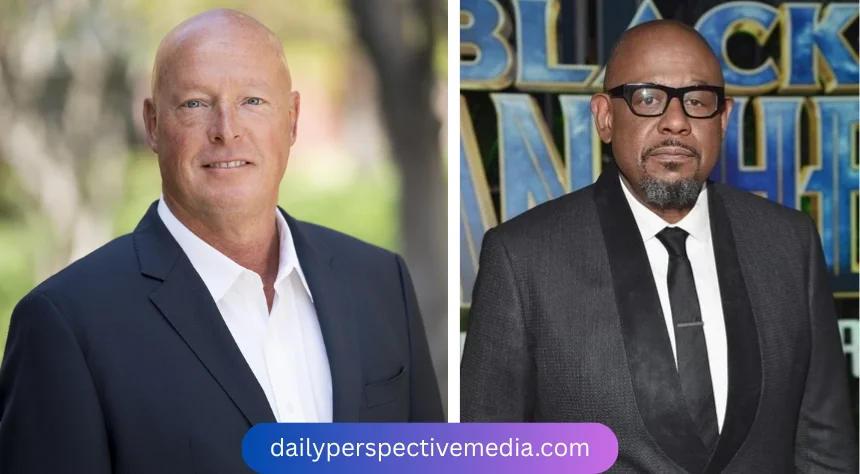
Forest Whitaker and Bob Chapek represent two different paths through the entertainment industry. Whitaker brings characters to life as an actor, director, and producer, while Chapek built his reputation through marketing, distribution, theme parks, and corporate leadership. Their careers meet within the wider world of Disney entertainment, although the sources reviewed for this article do not establish a personal partnership between them. Understanding each man separately makes the comparison more useful. One earned international recognition through screen performances and peacebuilding; the other managed major businesses before becoming Disney’s chief executive. This biography explores their backgrounds, professional achievements, challenges, and lasting influence, with particular care to distinguish documented facts from assumptions.
Forest Whitaker and Bob Chapek: Quick Biography Comparison
A comparison of Forest Whitaker and Bob Chapek begins with their professional responsibilities. Whitaker’s work centers on acting, filmmaking, and humanitarian leadership. His achievements include an Academy Award and recognition from the Cannes Film Festival. Chapek’s career centers on the commercial side of entertainment, including how audiences buy, watch, and experience Disney content. He served as Disney CEO from February 2020 to November 2022. These are different kinds of influence, so their careers should not be ranked using the same measures. Film awards tell us about artistic recognition; executive appointments show organizational responsibility. The following overview provides a clear starting point before exploring the experiences that shaped their separate journeys.
| Detail | Forest Whitaker | Bob Chapek |
|---|---|---|
| Main field | Acting and filmmaking | Entertainment management |
| Defining milestone | Best Actor Oscar, 2007 | Disney CEO, 2020–2022 |
| Wider contribution | Peacebuilding through WPDI | Disney distribution, products, and parks |
Forest Whitaker’s Early Life and Education
Forest Steven Whitaker was born on July 15, 1961, in Longview, Texas, and later grew up in Southern California. His early ambitions did not follow a direct route toward Hollywood. He began college at California State Polytechnic University, Pomona, on a football scholarship, but a serious back injury changed his plans. He turned to music and later transferred to the University of Southern California to study classical voice. At USC, his interest developed toward drama. The university’s account also highlights his mother’s influence as an educator whose curiosity and compassion encouraged him to understand other people. That combination of changing interests and close observation helps explain the range of his later career.
Early Film Roles and the Breakthrough of Bird
Whitaker gradually gained attention through appearances in films including Platoon, The Color of Money, and Good Morning, Vietnam. His major breakthrough came with Bird (1988), directed by Clint Eastwood, in which he portrayed jazz saxophonist Charlie Parker. The role placed him at the center of a demanding biographical drama rather than simply within an ensemble. His performance earned the Best Actor award at the 1988 Cannes Film Festival, establishing international recognition early in his career. Looking at these milestones together shows how supporting opportunities can lead to a defining leading role. For readers discovering his work, Bird remains an important starting point for understanding the actor’s reputation and artistic development.
The Last King of Scotland and His Oscar
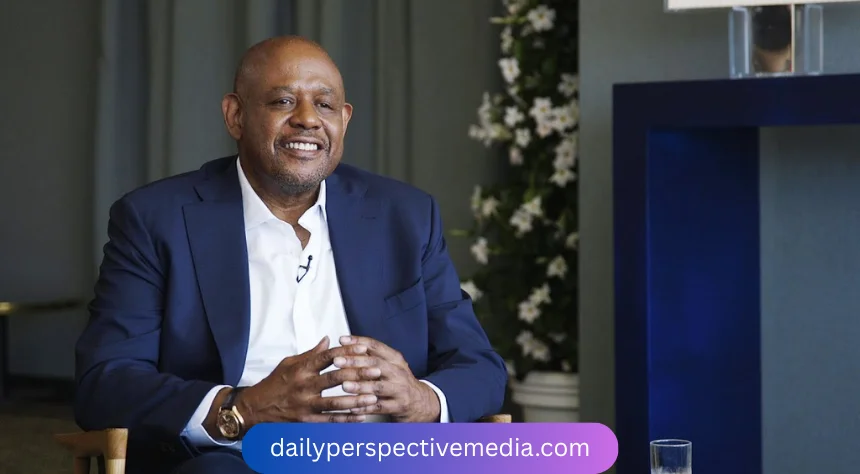
Whitaker reached another major milestone with The Last King of Scotland (2006), portraying Ugandan dictator Idi Amin. He won the Academy Award for Actor in a Leading Role at the 2007 Oscars, a distinction confirmed by the Academy’s official record. His performance also received recognition from the Golden Globes, BAFTA, and the Screen Actors Guild. The film’s release year and the award ceremony’s year are different, a detail that biographies sometimes confuse. This role became a central reference point in discussions of his career because it brought together a prominent historical subject and demanding dramatic material. However, one celebrated performance should be understood within a much broader body of work spanning different genres.
Directing, Producing, and Supporting New Filmmakers
Whitaker’s contribution to film extends behind the camera. He directed Waiting to Exhale (1995) and Hope Floats (1998), demonstrating that his career includes shaping entire productions as well as individual performances. His producing work includes Fruitvale Station, directed by Ryan Coogler, and Songs My Brothers Taught Me, directed by Chloé Zhao. In his 2022 Cannes press conference, he discussed helping emerging directors bring their voices to audiences. These credits give readers a fuller picture of his professional identity. Acting makes him immediately recognizable, but producing creates opportunities for other storytellers. His work therefore connects personal artistic achievement with the practical support needed to develop films and introduce new creative talent. He also plays Bumpy Johnson in Godfather of Harlem, including its fourth season in 2025.
Forest Whitaker’s Peacebuilding and UNESCO Work
In 2012, Whitaker founded the Whitaker Peace & Development Initiative, usually called WPDI. The organization promotes peace, reconciliation, and social development in communities affected by violence and conflict. Its work emphasizes young people, educational opportunities, and the skills needed to resolve disputes and improve livelihoods. Whitaker became a UNESCO Goodwill Ambassador for Peace and Reconciliation in 2011 and a UNESCO Special Envoy in 2014. Those dates distinguish two separate stages of his international engagement. His humanitarian work adds an important dimension to the biography of Forest Whitaker and Bob Chapek: public influence can operate beyond films or corporate decisions. In Whitaker’s case, a major focus is supporting communities and developing local leadership.
Bob Chapek’s Education and Early Career
Chapek’s route into entertainment began with a different academic foundation. A native of northwestern Indiana, he earned a bachelor’s degree in microbiology from Indiana University Bloomington in 1981, followed by an MBA from Michigan State University. In an Indiana University interview, he described discovering that other students had stronger academic preparation and working to catch up. He later moved toward business, with experience in brand management at H. J. Heinz and advertising at J. Walter Thompson before joining Disney. This background helps explain why his biography involves products, audiences, and commercial strategy. His career also illustrates how an initial scientific education can lead into management when additional training and professional opportunities change a person’s direction.
Bob Chapek’s Rise Through Disney’s Businesses
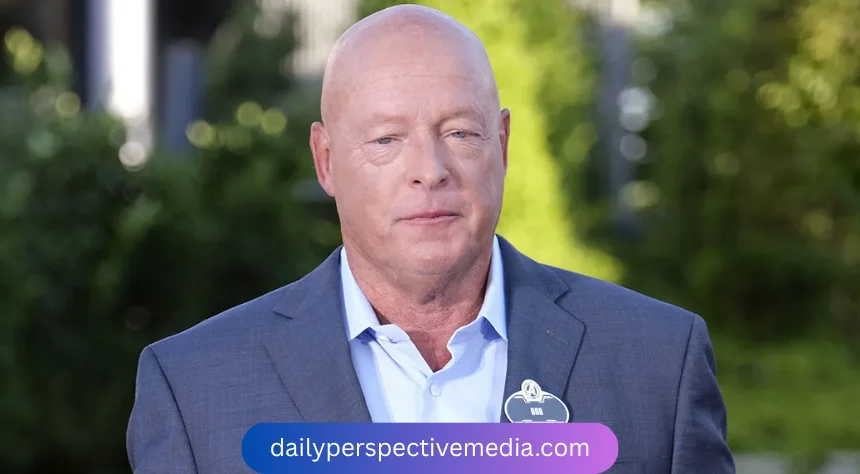
bob Chapek joined Disney in 1993 and developed experience across home entertainment, studio distribution, and consumer products. He became president of Disney Consumer Products in 2011 and chairman of Walt Disney Parks and Resorts in 2015. In 2018, he became chairman of the expanded Disney Parks, Experiences and Products segment. Disney’s official biography credits his parks leadership with overseeing projects including the opening of Shanghai Disney Resort and the introduction of Star Wars: Galaxy’s Edge. These roles involved large teams and businesses developed over many years, so their results should not be attributed to one person alone. Nevertheless, they explain the operational experience that positioned him for consideration as the company’s next chief executive.
Becoming Disney CEO During the Pandemic
Disney appointed Chapek chief executive officer on February 25, 2020, shortly before the pandemic disrupted travel, public gatherings, and film production worldwide. Bob Iger moved into the executive chairman role, initially continuing to oversee creative matters. Chapek therefore entered the top job during an unusually difficult transition. Disney’s annual reporting describes closures, interrupted operations, additional costs, and substantial workforce measures. Reopening also required changes: Walt Disney World’s May 2020 proposal included attendance limits and a phased return beginning in July. For Forest Whitaker and Bob Chapek, the contrast in professional responsibility is especially clear here. A corporate leader had to coordinate business survival, employee concerns, guest experiences, and rapidly changing operating conditions across a global company.
Streaming Strategy, Growth, and Financial Pressure
In October 2020, Disney announced a reorganization that separated content creation from centralized distribution and commercialization. The plan aimed to accelerate its direct-to-consumer strategy, with Kareem Daniel leading the new Media and Entertainment Distribution organization. Streaming became a central part of Chapek’s leadership period, but growth involved significant costs. Disney reported approximately $1.5 billion in direct-to-consumer operating losses for its fiscal fourth quarter of 2022. That figure covered the segment, rather than Disney+ alone or the whole company. At the same time, its parks segment reported stronger results. Together, these figures show why judging his tenure requires attention to different businesses. Expanding audiences, recovering attendance, and achieving sustainable profitability were related but separate challenges.
Why Bob Chapek’s Disney Tenure Ended
Disney announced on November 20, 2022, that Bob Iger would return as CEO, replacing Chapek. The board’s statement cited the company’s increasingly complex industry transformation and thanked Chapek for his service during the pandemic. Contemporary reporting also placed the change against a background of streaming losses and public controversies. These included employee criticism of Disney’s initial response to Florida legislation concerning classroom discussion of sexual orientation and gender identity. A careful biography should distinguish that wider context from the board’s stated explanation. The available announcement does not provide a complete account of internal deliberations or assign one definitive cause. Chapek’s departure ended his CEO tenure after less than three years, following a much longer Disney career.
The Disney Connection Between Forest Whitaker and Bob Chapek
The clearest documented connection between Forest Whitaker and Bob Chapek is Disney’s wider entertainment network. Whitaker played Saw Gerrera in Rogue One: A Star Wars Story (2016) and Zuri in Black Panther (2018). Chapek held senior Disney positions during those years, but he did not become CEO until 2020. Their professional roles therefore overlapped within a corporate setting without establishing a personal collaboration. The distinction matters: an actor’s participation in a Disney film does not identify which executives worked directly with him. Based on their documented careers, the comparison illustrates how creative performance and commercial leadership contribute to entertainment at different levels. The timeline below keeps their individual achievements in their proper historical context.
| Year | Career milestone |
|---|---|
| 1988 | Whitaker wins Cannes Best Actor for Bird. |
| 1993 | Chapek joins Disney. |
| 2007 | Whitaker wins the leading actor Oscar. |
| 2012 | Whitaker founds WPDI. |
| 2015 | Chapek becomes Disney parks chairman. |
| 2020 | Chapek becomes Disney CEO. |
| 2022 | Whitaker receives an Honorary Palme d’Or; Chapek’s CEO tenure ends. |
Conclusion
Forest Whitaker and Bob Chapek offer an informative view of the many careers that make entertainment possible. Whitaker’s record combines acclaimed performances, directing, producing, and organized humanitarian work. Chapek’s record includes decades of commercial and operational experience followed by a short, eventful period as Disney CEO. Their achievements belong to different professional settings, which makes a careful comparison more useful than a simple ranking. Readers can learn from Whitaker’s movement across artistic disciplines and Chapek’s transition from science into business leadership. Their histories also underline the importance of accurate dates and clearly defined roles. Understanding the distinction between artistic recognition, corporate responsibility, and community service provides a balanced foundation for assessing their influence.
Frequently Asked Questions
Are Forest Whitaker and Bob Chapek Related or Business Partners?
The reliable sources reviewed here do not establish a family relationship, friendship, or formal business partnership between Forest Whitaker and Bob Chapek. Their documented connection concerns the entertainment industry and Disney’s businesses. Whitaker appeared in Star Wars and Marvel films, while Chapek held senior positions at Disney. That overlap should not be turned into a claim that they developed a film together or maintained a personal relationship. Large entertainment companies employ and contract with many people whose work contributes to the same productions indirectly. Unless a reliable source identifies a specific collaboration, the most accurate description is a comparison of two professionals with different roles within a connected industry, rather than a joint biography of collaborators.
What Are Forest Whitaker’s Best-Known Films and Honors?
Whitaker’s notable screen credits include Bird, The Last King of Scotland, Ghost Dog: The Way of the Samurai, The Butler, Rogue One: A Star Wars Story, and Black Panther. This selection shows the range of his work, from biographical drama to independent cinema and major franchises. His principal honors include the 1988 Cannes Best Actor award, the 2007 Academy Award for leading actor, and the 2022 Honorary Palme d’Or. These awards recognize different things: particular performances in the first two cases and a broader artistic career in the third. For viewers exploring his filmography, choosing works from several periods provides a more complete understanding than watching only the title most closely associated with his Oscar.
Why Is Bob Chapek Described as a Former Disney CEO?
Chapek is a former Disney CEO because his leadership period ended in November 2022, when the company announced Iger’s return. Older profiles written during his tenure may still describe him as the current chief executive, so publication dates matter when checking biographical information. His earlier positions in distribution, consumer products, and parks also remain important parts of his professional history. They help readers understand why the board selected him for the role in 2020. However, those past appointments should not be presented as current responsibilities. The clearest summary gives the dates of his CEO service and identifies previous roles separately, preserving his experience without creating an inaccurate impression about his present position at Disney.
Did Bob Chapek Create or Launch Disney+?
Disney+ launched on November 12, 2019, when Bob Iger was Disney’s CEO. Chapek became chief executive in February 2020, so describing him as the CEO who launched the service would be inaccurate. His tenure instead covered a major period of expansion and a reorganization intended to accelerate Disney’s streaming strategy. This distinction separates the introduction of a product from its later development under another leader. It also avoids assigning a complex corporate project to one executive alone. Streaming services involve technology teams, creative divisions, distribution specialists, and substantial investment. Chapek’s biography should explain the decisions made during his leadership while acknowledging the earlier work and timing that established Disney+ before he took charge.
What Does Forest Whitaker’s Peace Organization Do?
The Whitaker Peace & Development Initiative works with communities affected by conflict and violence, focusing on peacebuilding and social development. Its approach includes educational tools, youth leadership, and economic opportunities that can help people strengthen their communities. This work complements Whitaker’s role as UNESCO Special Envoy for Peace and Reconciliation, which followed his earlier goodwill ambassador appointment. The organization’s purpose goes beyond a celebrity endorsement: it describes structured programs intended to develop local skills and participation. Readers interested in this part of his biography should consult WPDI’s current materials for project locations and results, because programs can change over time. His involvement shows how a public figure can use visibility to support sustained work outside the entertainment industry