


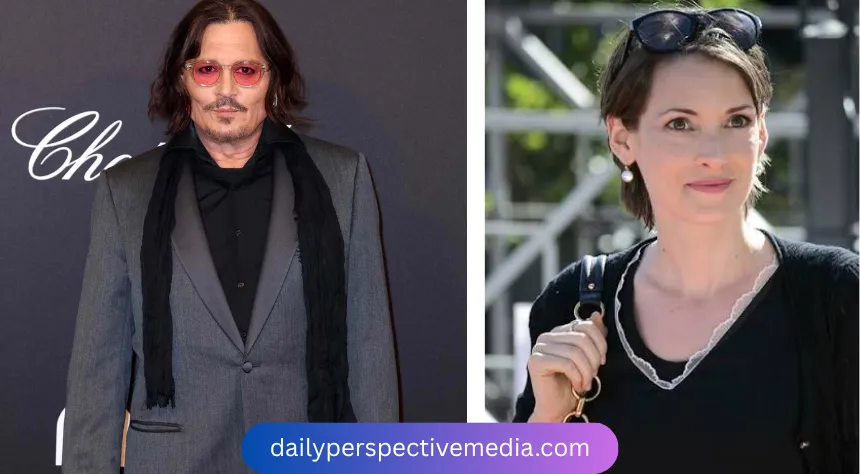
Winona Ryder and Johnny Depp became one of the most recognizable Hollywood couples of the early 1990s, but their story reaches beyond an engagement and a famous tattoo. Both actors built distinctive careers by bringing outsiders, dreamers, and misunderstood characters to life. Their relationship began in 1989, their engagement followed in 1990, and their separation became public in 1993. Between those milestones came Edward Scissorhands, the film that permanently connected their screen identities. Understanding their shared history means looking at their separate beginnings, their work together, and the ways fame shaped public interest in their lives. This biography follows that journey while keeping documented events separate from romantic speculation.
Winona Ryder’s Early Life and Creative Beginnings
Winona Ryder, born Winona Laura Horowitz on October 29, 1971, grew up with an interest in performance that eventually brought her to the American Conservatory Theater in San Francisco. Her screen debut arrived in Lucas in 1986, introducing an actress whose appeal would soon rest on emotional sensitivity and an unusual screen presence. Rather than fitting neatly into the cheerful teenage roles common at the time, she became associated with characters who felt different from their surroundings. That quality helps explain her later connection with audiences. Before Winona Ryder and Johnny Depp became a celebrity pairing, Ryder was already developing a professional identity that stood apart from conventional young Hollywood glamour.
Johnny Depp’s Childhood and Musical Ambitions
Johnny Depp was born on June 9, 1963, in Owensboro, Kentucky. Music initially shaped his ambitions more strongly than acting, and he left school as a teenager to pursue it. His move toward film produced an early appearance in A Nightmare on Elm Street in 1984, followed by work that gradually expanded his opportunities. Disney’s biographical account describes a childhood involving frequent moves and a young performer determined to become a musician. This background adds context to the restless energy visible in many of his later characters. The shared biography of Winona Ryder and Johnny Depp therefore begins with two different routes into acting, rather than a carefully planned rise through the same Hollywood system.
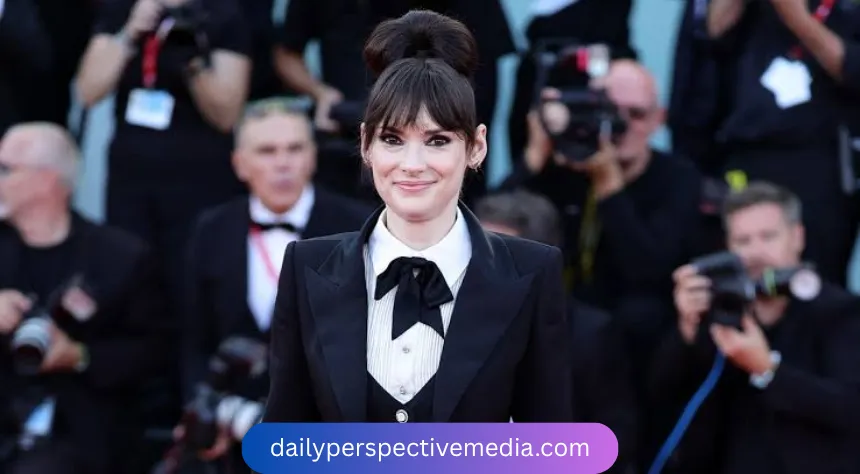
Ryder’s Rise Through Beetlejuice and Heathers
Winona Ryder’s breakthrough gathered force with Beetlejuice in 1988, in which she played the darkly dressed, observant Lydia Deetz. Her performance gave teenage alienation both humor and emotional weight. Heathers further established her ability to handle material that challenged familiar stories about school, popularity, and belonging. These roles helped create the image of an actress comfortable with sharp comedy and uncomfortable emotions. Looking back, it is easy to treat her early success as a prelude to her famous romance, but that overlooks her independent achievements. When Winona Ryder and Johnny Depp became involved, she already had recognizable roles and a screen identity that filmmakers and viewers could distinguish immediately.
Depp’s Breakthrough Beyond Television Fame
Depp reached a broad audience through 21 Jump Street, which began in 1987 and made him a prominent young television star. His subsequent film choices expanded that image. Cry-Baby in 1990, directed by John Waters, used his looks and musical interests within a deliberately exaggerated world. Edward Scissorhands, released that same year, offered a very different opportunity: a leading role built around vulnerability and limited speech. These projects help explain why his career cannot be described only through celebrity appeal. He increasingly became associated with characters whose appearance and behavior challenged expectations. For readers exploring Winona Ryder and Johnny Depp, that creative direction is an essential part of the setting in which their romance developed.
How Winona Ryder and Johnny Depp Met
Published relationship timelines place their first meeting at the 1989 New York premiere of Great Balls of Fire!, a film in which Ryder appeared. She was 17, while Depp was 26, based on their birth dates and the timing of the premiere. Later accounts describe an immediate attraction, although those memories naturally reflect the people telling the story. The key chronological point is straightforward: their relationship began before the release of Edward Scissorhands. They did not first encounter each other as strangers playing romantic leads in that film. For Winona Ryder and Johnny Depp, an existing personal connection preceded the production that would become the most enduring artistic reminder of their time together.
Their Engagement and the Winona Forever Tattoo
Their relationship moved quickly, and Winona Ryder and Johnny Depp became engaged in 1990. Depp’s “Winona Forever” tattoo turned a private commitment into a widely recognizable public symbol. Its wording suggested permanence, which helps explain why it remained a talking point after their relationship ended. Following the breakup, he altered it to “Wino Forever.” In a 1993 television interview, he discussed his tattoos as records of his personal history rather than marks he automatically regretted. The engagement never became a marriage. Keeping that distinction clear matters because retrospective headlines sometimes blur dating, engagement, and marriage into a single story. Their documented history includes a proposal and a separation, without a wedding between them.
Edward Scissorhands and Their Onscreen Chemistry
Tim Burton’s Edward Scissorhands, released in 1990, gave Depp the title role and Ryder the role of Kim Boggs. Edward’s unfinished hands make everyday contact difficult, while Kim gradually recognizes the person behind his frightening appearance. Their performances depend on small expressions, hesitation, and the distance between wanting closeness and being able to achieve it. The film also connects tenderness with an unsettling suburban setting, making its romance feel fragile from the beginning. As a reading of the performances, their chemistry comes from restraint as much as affection. Winona Ryder and Johnny Depp became linked to that emotional atmosphere, but Kim and Edward remain fictional characters rather than reliable guides to the actors’ private relationship.
Public Attention Around Their Relationship
Photographs, interviews, and coverage of their engagement made Winona Ryder and Johnny Depp a highly visible pairing. Their relationship unfolded during a period when entertainment magazines and tabloid photography could turn a young couple into an ongoing public narrative. A premiere appearance became evidence of romance; a tattoo became a symbol readers could follow; a separation became another headline. This pattern helps explain the lasting interest without requiring assumptions about every private conversation. Their public images also complemented the unconventional characters they played, encouraging audiences to connect their offscreen relationship with their films. Still, visibility never gave the public complete knowledge of their partnership, and surviving photographs cannot establish what daily life together actually felt like.
The 1993 Breakup and Ryder’s Later Reflections
Winona Ryder and Johnny Depp separated in 1993, ending their engagement after several years together. There is no single fully documented explanation that accounts for every private factor behind the breakup. Ryder later spoke about the emotional difficulty of that period, including in a 2022 Harper’s BAZAAR interview, reported by Entertainment Tonight. She described struggling to care for herself and recalled therapeutic advice about treating her younger self with greater kindness. Those reflections offer insight into her experience without settling every question about the relationship. They also deserve careful handling: emotional pain after a breakup does not justify inventing specific incidents, assigning motives, or presenting an unverified story about either person as established fact.
Winona Ryder’s Career After Their Separation
Ryder’s career continued through major dramatic roles, including The Age of Innocence and Little Women. The former brought a supporting actress Oscar nomination and a Golden Globe win at the 1994 ceremony; Little Women brought a leading actress Oscar nomination. Later work included Girl, Interrupted, while Stranger Things introduced her as Joyce Byers to a new generation beginning in 2016. Netflix’s final season arrived in 2025, and she also returned as Lydia Deetz in Beetlejuice Beetlejuice in 2024. These credits demonstrate a career extending far beyond one relationship. Any balanced account of Winona Ryder and Johnny Depp should give her sustained professional contribution the same attention as the engagement that still attracts nostalgic interest.
Johnny Depp’s Later Film Career and Recognition
Depp’s later career included Ed Wood, Donnie Brasco, and Finding Neverland, alongside the enormous audience reach of Captain Jack Sparrow. The character debuted in Pirates of the Caribbean: The Curse of the Black Pearl in 2003, bringing his eccentric performance style into a major adventure franchise. He later won a Golden Globe at the 2008 ceremony for Sweeney Todd: The Demon Barber of Fleet Street. These roles involved different demands: comic timing, dramatic restraint, stylized movement, and musical performance. Comparing Winona Ryder and Johnny Depp therefore reveals two substantial bodies of work rather than one shared celebrity identity. Their professional histories continued in separate directions long after their engagement ended and deserve consideration on their own terms.
Conclusion
The history of Winona Ryder and Johnny Depp combines early fame, a memorable collaboration, a public engagement, and an eventual separation. Their relationship lasted from 1989 to 1993, while their shared place in film history rests most clearly on Edward Scissorhands. What followed was not a single continuing love story but two separate careers, each containing important performances and changes in public visibility. Their enduring appeal becomes easier to understand when those elements remain in balance. The romance explains part of the fascination, while the acting explains why people continue discovering them. A thoughtful biography can acknowledge the affection and heartbreak they discussed publicly without turning nostalgia into claims about private feelings today.
Frequently Asked Questions
Were Winona Ryder and Johnny Depp Ever Married?
No, they were engaged but did not marry each other. Their engagement began in 1990 and ended with their separation in 1993. The confusion is understandable because their relationship received extensive coverage and Depp’s tattoo became such a strong symbol of commitment. However, an engagement and a marriage are different milestones, and accounts of their history should preserve that distinction. Readers may also encounter photographs from film premieres or scenes that look ceremonial, but those images do not establish a wedding. When checking information about Winona Ryder and Johnny Depp, the clearest approach is to follow the documented timeline rather than assume that a highly public romance must have resulted in marriage.
How Long Did Their Relationship Last?
Their relationship is generally dated from 1989 to 1993, or approximately four years, with the engagement occupying roughly three of those years. Some summaries use shorter descriptions because they focus on the engagement rather than the entire romance. This difference can make otherwise similar accounts appear contradictory. Their first meeting, the beginning of dating, the proposal, and the public announcement of a breakup are separate events, so precise day counts can suggest more certainty than the reporting supports. For a useful overview of Winona Ryder and Johnny Depp, remember the broader sequence: they met in 1989, became engaged in 1990, appeared together in a film released that year, and separated in 1993.
Which Movie Did They Make Together?
Their best-known shared film is Edward Scissorhands, directed by Tim Burton and released in 1990. Depp plays Edward, an unfinished artificial man whose hands are blades, while Ryder plays Kim Boggs, the young woman central to his emotional connection with the human world. The movie blends fantasy, romance, comedy, and sadness, giving both actors space for performances that often rely on expressions rather than long explanations. It is the essential starting point for anyone interested in Winona Ryder and Johnny Depp as screen partners. Watching the film also shows why their collaboration remains memorable independently of their engagement: the characters’ emotional distance and longing work within Burton’s distinctive fictional world.
Why Did Their Engagement End?
A complete, mutually confirmed private explanation is not publicly established. Their separation in 1993 is documented, and Ryder has later discussed the distress she experienced around that chapter of her life. However, the existence of public pressure or emotional difficulty does not prove a single cause. Relationships can involve several private circumstances that interviews and magazine timelines only partly reveal. A responsible biography should therefore avoid choosing a dramatic explanation merely because it circulates online. The available history of Winona Ryder and Johnny Depp supports discussing the engagement, its end, and their own later comments. It does not support pretending that outside observers can reconstruct every disagreement, decision, or feeling behind their separation.
What Happened to Johnny Depp’s Tattoo?
Depp changed the wording of his “Winona Forever” tattoo to “Wino Forever” after their breakup. That alteration became a lasting piece of celebrity history because it visibly connected an earlier promise with a changed relationship. He later explained his approach to tattoos as preserving personal experiences, including chapters that had ended. This explanation gives the detail more context than a simple story of embarrassment or regret. The tattoo remains relevant to accounts of Winona Ryder and Johnny Depp because it was a public expression of their engagement. It should still remain one detail within a larger biography, alongside their performances, creative choices, and the separate careers that continued after their romance ended.
What Are They Best Known for Beyond Their Romance?
Ryder is widely associated with Beetlejuice, Heathers, Little Women, and her performance as Joyce Byers in Stranger Things. Depp is strongly associated with Edward Scissorhands, Captain Jack Sparrow, Finding Neverland, and Sweeney Todd. These examples show different sides of their acting rather than a complete list of their work. Ryder often brings emotional alertness to characters navigating difficult surroundings, while Depp frequently uses stylized movement and distinctive behavior to shape a role. Those are observations about performances, not fixed descriptions of their personalities. Exploring Winona Ryder and Johnny Depp through their films offers a fuller understanding than concentrating only on their years as a couple, especially for viewers discovering them today.


